
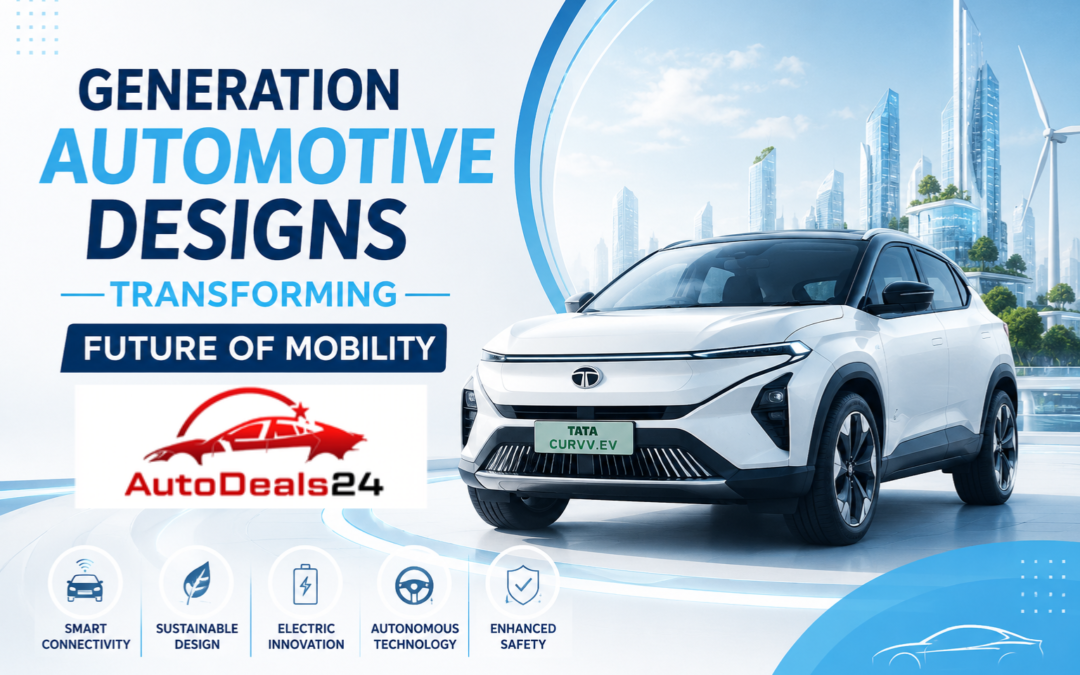
The automotive world is changing faster than its ever been. Increasingly, the experience of driving is defined by a combination of faster computers, cleaner energy and smarter systems. The Future of Mobility through Next-Generation Automotive Designs are making transport safer, smarter, and more sustainable for all. Automakers today try to emphasize technology, comfort, refinement, and efficiency while making the driving experience less of a grind.
The days of cramming little boxes to tow us from Point A to Point B are gone. They want transportation that is connected, intelligent and eco-friendly. Thus, the manufacturers keep coming up with high-class styles and technologies that transform the way people daily commute. In addition, drivers conserve fuel, pollution and enjoy improved comfort with these innovations.
Next-Generation Automotive Designs Transforming Urban Transportation
It was published in 2019 and gives an overview of the most rapidly growing cities worldwide. Consequently, it is essential for transportation systems to evolve with the times! Automotive designs of next-generation repurposing urban infrastructure are targeting traffic reduction, energy efficiency and safety improvements.
Next-Generation Automotive Designs Transforming Electric Vehicles
The automotive world is now being penetrated by electric vehicles. A lot of all-in on clever battery technology and a lightweight vehicle structure. As a result, drivers are better performing and have cheaper running costs.
Important features of modern electric vehicles include:
- Longer battery life
- Fast charging systems
- Lightweight materials
- Improved driving range
- Reduced maintenance costs
- Smart connectivity features
Moreover, the growth of electric vehicles is aided by supportive government policies to provide tax benefits and improved charging facilities. Thanks to this support, electric mobility is continuing to grow around the world.
Next-Generation Automotive Designs Transforming Autonomous Driving
Autonomous vehicle systems usher in new ways of modern transportation. Today, artificial intelligence, sensors, and enhanced cameras assist vehicles in making safer driving decisions. In addition to its unique features, autonomous systems minimize human error and enhance road safety.
Some of the most obvious advantages of driverless driving are as follows:
- Reduced traffic accidents
- Better fuel efficiency
- Easier parking systems
- Lower driver stress
- Improved traffic management
Full autonomous vehicles will be tested, and the more advanced driver assistance systems make day-to-day driving easier.
Next-Generation Automotive Designs Transforming Sustainability
Environmental considerations remain a driving force behind automotive innovation. This is because manufacturers are very much focused on sustainability and cleaner transportation systems.
Sustainable Materials in Modern Vehicle Design
Today, modern car manufacturers now use recycled and sustainable materials in the interiors of their vehicles. Such materials minimise waste and, therefore, the environmental impact. Many new car interiors, for example, are using recycled plastics, organic fibers and leather alternatives.
Innovation in the manufacturing extends also to redesigning processes that minimize carbon footprint. This means much less energy is needed to make ever-better vehicles.
Aerodynamics and Energy Efficiency
Aerodynamic schemes are the main designs that help in attaining the efficiency of vehicles. The smooth shapes of bodies reduce air resistance and save you gas. This, in turn saves money for drivers while also limiting the environmental impact.
Modern aerodynamic improvements include:
- Streamlined vehicle shapes
- Smart airflow systems
- Lightweight components
- Advanced tire technology
- Energy-saving lighting systems
These innovations enhance the way vehicles operate in cities and highways more effectively.
Next-Generation Automotive Designs Transforming Driver Experience
Modern drivers are looking for comfort and safety, along with advanced technology inside vehicles. So, manufacturers focus more on Ease of Use and smart systems.
Smart Connectivity Features
The connected vehicle technology keeps the driver informed and entertained while on a trip. Among the most advanced features available as part of modern infotainment systems are voice control, navigation assistance, and smartphone integration.
Key smart connectivity features include:
- Real-time traffic updates
- Wireless smartphone charging
- Voice-activated controls
- Advanced navigation systems
- Remote vehicle monitoring
Also, connected systems increase convenience and assist a driver in better managing their journeys.
Advanced Safety Innovations
Safety continues to be a top focus in automotive development. As a result, modern automobiles and trucks have implemented microchip-and software-driven safety systems that can detect potential collisions and then intervene to protect you as well as your guests.
Common advanced safety technologies include:
- Blind spot monitoring
- Automatic emergency braking
- Lane departure warnings
- Adaptive cruise control
- Driver fatigue detection
In turn, these systems are responsible for lower levels of road accidents as well as helping drivers feel more confident on busier roads.
Next-Generation Automotive Designs Transforming Global Mobility Trends
Transportation habits continue changing worldwide. And so, the automotive companies need to adapt to new consumer perception and market trends.
H3: Shared Mobility and Smart Transportation
Sturck-powered ride-sharing services and smart mobility platforms are growing rapidly. More people are now opting for flexible low transportation than owning a vehicle. This has led automotive businesses to develop products specifically for shared mobility solutions.
Benefits of shared mobility include:
- Reduced transportation costs
- Lower traffic congestion
- Better urban space management
- Reduced environmental impact
- Increased transportation accessibility
Smart transport systems from SMARTENING also improve traffic flow and reduce travel delays in major cities.
Better Auto Deals Through Digital Innovation
Then, the vehicles that people purchase are affected by technology as well. Could offer to customers features, price and financing options all at the same point from home. So that buyers can find less favorable auto offers without driving from franchise dealership to organization institution.
Digital automotive platforms now provide:
- Virtual vehicle tours
- Online financing tools
- Instant price comparisons
- Personalized recommendations
- Faster purchasing processes
Such tools make the car buying process seamless, enabling customers to decide wisely.
The Future of Next-Generation Automotive Designs Transforming Mobility
Transportation will have a bright and fully innovative future. As automakers invest in artificial intelligence, electric mobility and connected systems (as you’ll see here in this week’s Best Rides), we should be thinking big picture about how travel could evolve even more.
Future automotive developments may include:
- Fully autonomous transportation
- Solar-powered vehicles
- Advanced smart city integration
- Wireless vehicle charging
- Improved energy storage systems
And tech advancements will make transportation safer, cleaner and more efficient. The additional convenience will result in better driving experiences for consumers as well.
Final Thoughts
Currently, Next-Generation Automotive Designs Transforming the Future of Mobility are revolutionizing transport globally. Whether it is through electric vehicles, autonomous systems, or any other sort of automotive innovation; development in the auto industry today depends on tight integration between man and machine. Furthermore, future solutions for mobility are still based on sustainability, safety and smart technology.
Consumers expect vehicles that balance performance with efficiency, convenience, and environmental responsibility. As a result, automobile companies have kept providing high-tech solutions to cater to these changing needs. Through the evolution of the industry, future generations will have smarter and safer as well as more connected transportation.