
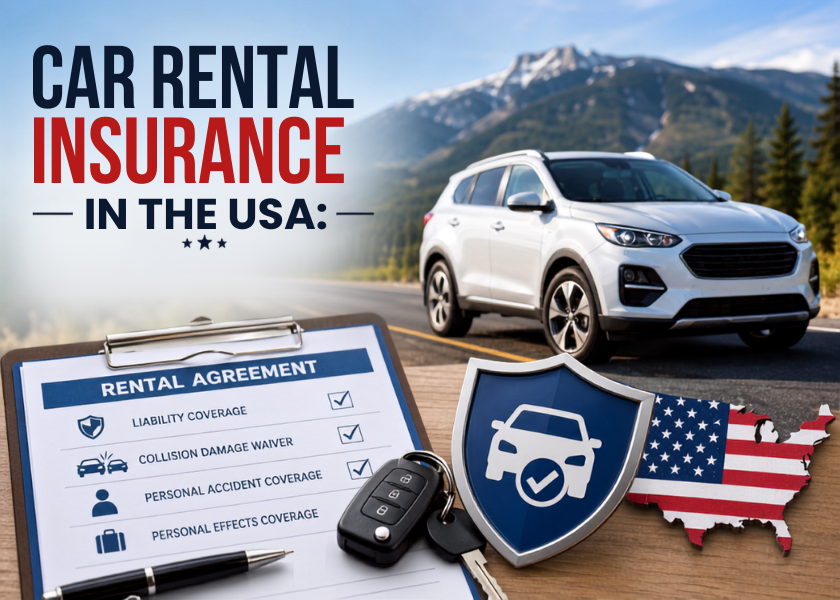
Renting a car in the United States can make a road trip, business visit, or family holiday much easier. However, before you drive away, it is worth understanding car rental insurance USA options. The right cover can protect you from a large bill after an accident, theft, or damage. At the same time, you may already have protection through your personal auto policy or credit card, so buying every option at the counter may not make sense.
What Rental Car Coverage Actually Means
Rental car insurance is not one single product. Instead, several types of protection can apply to a rental vehicle. Your personal auto policy, the rental company’s coverage, a credit card benefit, or a separate policy may each cover different risks.
For example, liability coverage can help pay for injuries or property damage you cause to another person. Collision and comprehensive coverage can help with damage to the vehicle you are driving. The National Association of Insurance Commissioners explains that liability generally covers bodily injury and property damage, while collision covers damage caused by a crash and comprehensive covers many non-collision events such as theft or weather damage.
Therefore, the first step is to check what you already have before paying for extra protection.
Main Types of Protection for a Rental
Liability Protection
Liability coverage focuses on damage or injuries you cause to other people. Rental companies generally provide the state-required minimum liability protection, but the minimum may not offer enough financial protection for every situation. Your own policy may provide higher limits when you rent a vehicle for personal use, depending on its terms.
If you do not own a car, ask an insurer whether a non-owner auto policy could provide liability protection. This can be especially useful for people who rent cars regularly.
Collision Damage Waiver
You may see CDW or LDW at the rental counter. A collision damage waiver is not technically an insurance policy. Instead, it is an agreement that can waive your financial responsibility for certain damage or theft involving the rental vehicle. Depending on the agreement, it may also address loss-of-use, towing, or administrative charges.
However, exclusions matter. A waiver may become invalid in situations such as certain prohibited driving behavior. Always read the rental agreement instead of assuming every type of damage is covered.
Personal Accident Protection
Personal accident coverage can help with medical or ambulance expenses after an accident involving the rental car. Whether you need it depends on the health and auto coverage you already carry.
Personal Effects Coverage
This option can cover certain personal belongings stolen from the rental vehicle. If your homeowners or renters policy already covers your belongings away from home, you may have some protection without purchasing this option separately.
Does Your Own Auto Policy Cover a Rental?
Often, your personal auto insurance can extend to a rental car, but you should never assume that it will. Coverage depends on your policy, the type of rental, how you use the vehicle, and exclusions.
If you carry collision and comprehensive coverage on your own car, similar protection may apply to a rental vehicle under the policy. Your existing deductible may also apply. The Insurance Information Institute recommends checking your policy before renting so you can avoid paying for duplicate coverage.
There can also be important limits. A personal policy may be designed for personal driving rather than commercial use. It may not cover every type of vehicle or every rental arrangement. For that reason, call your insurer if you have any doubt.
Can a Credit Card Help With Rental Damage?
Some credit cards offer an auto rental collision damage waiver as a card benefit. However, the benefit can come with strict conditions. For example, the card may require you to pay for the rental with that card, decline the rental company’s damage waiver, or meet specific rental-period and vehicle requirements.
Coverage also varies by card. Some benefits focus on damage or theft of the rental vehicle and may not replace liability insurance. A published Visa benefit guide, for example, describes rental collision coverage for eligible damage and theft while applying specific terms and conditions.
So, check your card’s current benefits guide before relying on it. Do not assume that having a premium card automatically gives you complete rental protection.
What About Renters Without Personal Car Insurance?
If you do not own a vehicle, you may not have a personal auto policy to fall back on. In that case, carefully compare the protection offered by the rental company with standalone or non-owner coverage.
A non-owner policy may provide liability protection for someone who drives vehicles they do not own. However, it usually does not work the same way as physical-damage protection for the rental vehicle. You may still need a suitable CDW or LDW, depending on the rental agreement and your other benefits.
For frequent renters, comparing annual coverage with repeated counter purchases can also make financial sense.
Rental Insurance for Foreign Visitors
Visitors from outside the United States often need to pay extra attention to rental coverage. If you are travelling to the USA, do not assume that your insurance at home automatically covers a U.S. rental car.
Ask your insurer or travel insurance provider whether the policy applies in the United States. Also, confirm whether it covers liability, damage to the rental vehicle, theft, medical costs, and additional charges. Search interest in phrases such as “car rental insurance usa for foreigners” and related terms in the keyword data shows that this is a specific concern for travelers.
Most importantly, review the rental company’s requirements before collecting the vehicle. Bring the documents the company requests and make sure every driver is properly listed.
How Much Does Rental Protection Cost?
There is no single price for rental car coverage in the USA. The cost can vary based on the rental company, vehicle type, location, rental period, driver details, and coverage selected.
The cheapest option is not always the best option. A low daily price can leave you exposed to a deductible or coverage gap. On the other hand, buying every protection offered at the counter can result in paying twice for benefits you already have.
Instead, compare the following:
- Your existing auto policy and deductible
- Rental company liability limits
- CDW or LDW terms and exclusions
- Credit card rental benefits
- Travel or standalone insurance
- Coverage for additional drivers
- Restrictions on vehicle type and rental duration
How to Choose the Right Coverage
Start by checking your current insurance. Ask your insurer whether your policy extends to rental cars in the state and situation you plan to use.
Next, check your credit card benefits. Confirm eligibility, required payment method, covered vehicles, rental duration, exclusions, and whether the benefit is primary or secondary.
Then, read the rental agreement. Look beyond the headline price and check what happens after an accident, theft, breakdown, or damage.
Finally, consider your own risk tolerance. Someone renting an inexpensive car for one day may make a different choice from a traveler renting an SUV for three weeks.
Common Mistakes to Avoid
One common mistake is buying coverage without checking existing benefits. Another is assuming a credit card covers everything.
Also, do not ignore the rental agreement. Authorized drivers, restricted roads, vehicle classes, rental periods, and prohibited uses can affect coverage.
Keep photos of the vehicle before leaving the rental location. Record existing scratches, dents, wheels, glass, and the fuel level. If damage occurs, report it promptly and keep copies of documents, receipts, and communication with the rental company.
Final Thoughts
Understanding car rental insurance in the USA can help you make a smarter choice before your trip. You may already have useful protection through your auto policy or credit card, but coverage varies widely. Therefore, compare the details instead of choosing based only on the daily price.
For the best result, check your personal policy, review your card benefits, understand the rental company’s options, and ask questions before signing. With a little preparation, you can rent a car with greater confidence and reduce the risk of an unexpected insurance bill.
Read Our Blog on Rental Car Liability Insurance to Learn More About Rental Car Insurance.